ITTF Approval Tracking Club Room Planning Dealer Support Live Showroom Calendar - Schedule a Table Review
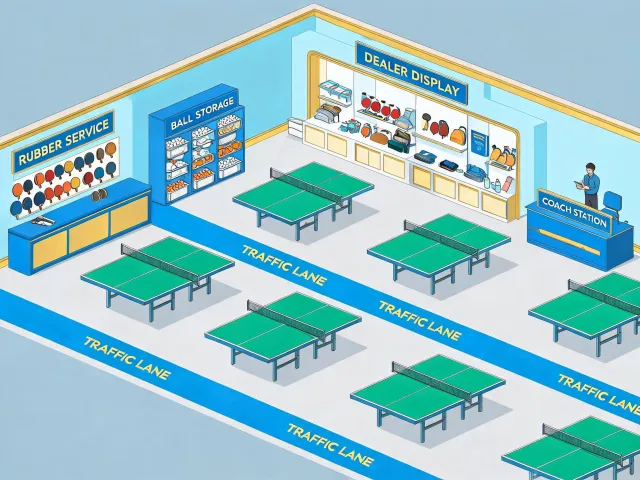
Table tennis room planning illustration
Custom orders and service

Operator Q&A for table tennis rooms from quote to daily use

Buying table tennis equipment for a club, school, hotel, or dealer showroom is rarely just a SKU decision. You need table count, clearance, storage, net durability, ball usage, rubber replacement cycles, robot stations, and a simple replenishment path that your staff can keep using after opening week. Butterfly Table Tennis structures each service conversation around the operator's practical questions: how many tables fit without crowding, which racket tiers belong in a public program, how to separate recreational gear from competitive stock, and when a dealer should refresh fast-moving rubber sheets.

Pre-Open Support

  • Room fit review for table spacing, player circulation, storage routes, and coach sight lines.
  • Product tier mapping across tables, blades, rubbers, rackets, balls, nets, robots, and care kits.
  • Dealer or club assortment planning with opening stock, demo samples, and replenishment points.
Post-Open Operations

  • Rubber rotation windows based on weekly coaching hours, league use, and training intensity.
  • Table cleaning, net inspection, robot calibration, and ball replacement routines for staff.
  • Simple reorder logic for dealers, schools, and clubs that carry multiple player levels.
Common operator questions

Answers before the first shipment leaves

Our planning process keeps each answer tied to real play frequency and facility constraints instead of generic product copy.

How many competition tables can fit in my room?

We start with usable playing rectangles, side clearance, safe walkways, storage movement, and spectator needs. A school club may prioritize flexible folding tables, while a pro training room may reserve more recovery space around fewer tables.

Which blade and rubber tiers should a club stock?

We separate beginner control, intermediate development, and high-performance offensive setups so coaches can progress players without forcing every athlete into advanced rubber before technique is stable.

How often should rubber be replaced?

Rubber replacement depends on weekly hours, coaching style, humidity, player level, and cleaning discipline. Many active clubs benefit from a 60 to 90 day inspection rhythm for high-use demonstration rackets.

Can dealers get a balanced showroom assortment?

Yes. We can shape stock around fast-turning rackets, premium blades, rubber families, balls, nets, apparel, and robot demos so retail shelves answer different buyer intents without overloading slow SKUs.

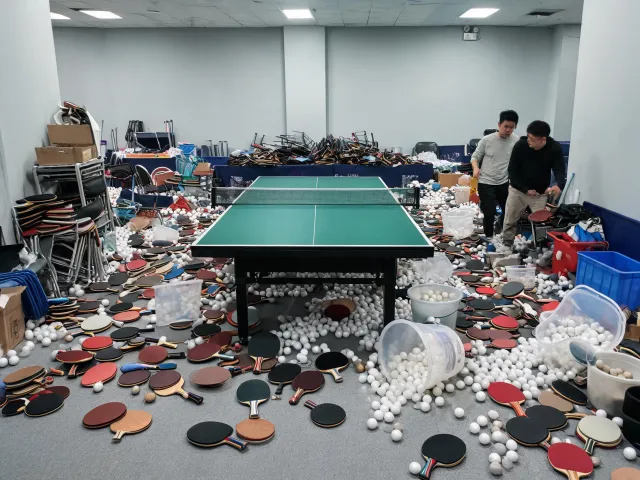
Crowded table tennis room before planning
Before: 8 tables placed without staff circulation, shared racket bins, and no rubber refresh plan.
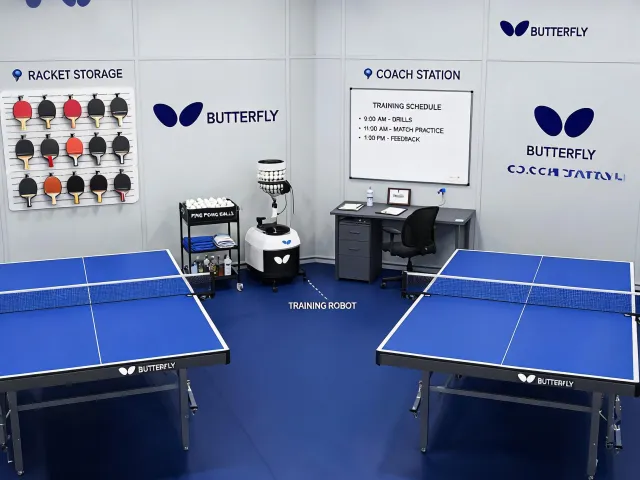
Organized table tennis room after planning
After: 6 tables with coach lanes, storage flow, robot station, and level-based equipment zones.

Talk to an operator advisor

Share room dimensions, program type, weekly player count, and product priorities. We will reply with a practical table sports service path.