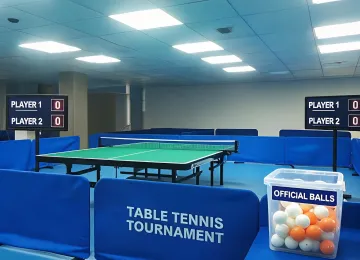
Every table tennis room creates a rhythm of use: tables open and fold, nets are tightened, rubber is cleaned, balls are replaced, and players move between casual games, lessons, leagues, and events. A responsible program respects that rhythm instead of treating equipment as disposable. Butterfly Table Tennis encourages buyers to choose durable tables, appropriate racket levels, and maintenance routines that protect both performance and budget.
"Our school program stayed affordable because we learned which rackets belonged in beginner rotation and which competitive setups should be reserved for coached players."
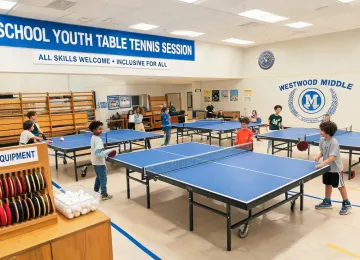
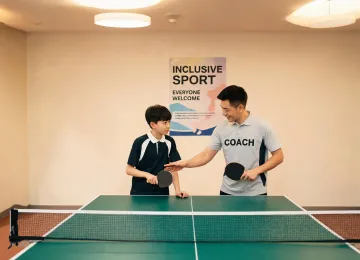
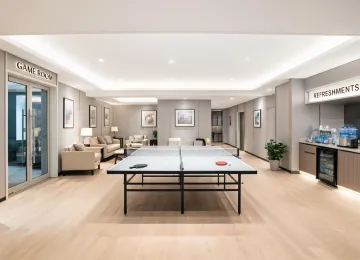
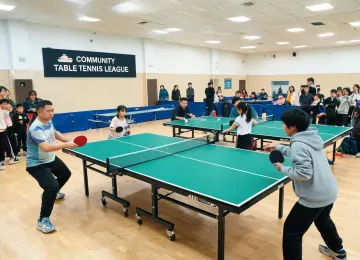
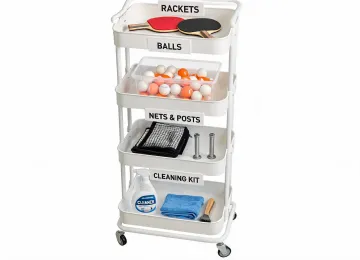
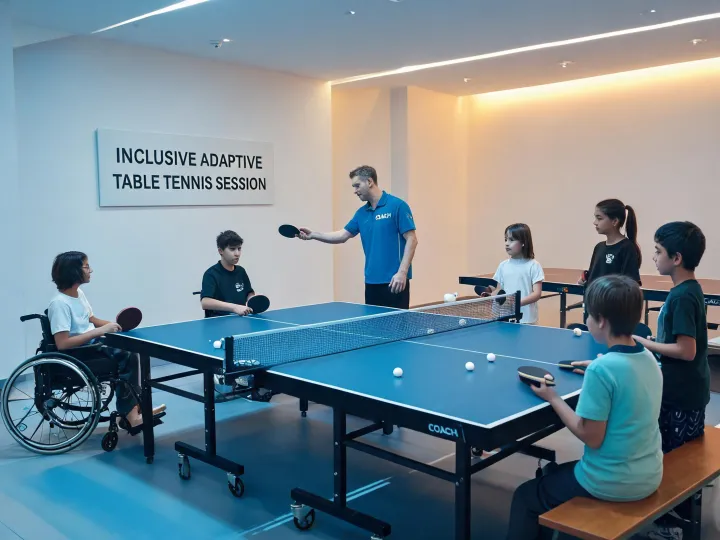
Community access also matters. A well-planned room can host after-school clubs, adult beginner nights, family sessions, adaptive play, and tournament preparation without constantly rebuilding the space. That requires clear storage, simple staff checklists, and equipment matched to different levels rather than a single all-purpose pile.
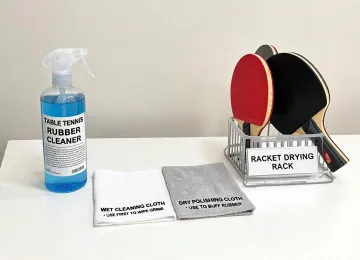
Dealers and operators can reduce waste through better rubber rotation, care education, and replacement forecasting. When players understand how to clean rubber, store blades, and choose balls by use case, product life improves and the buying experience becomes more honest.
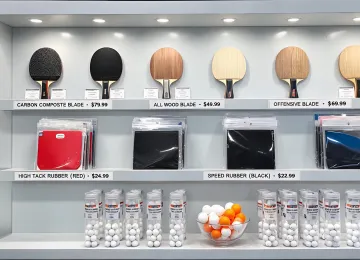
"The best sustainability improvement was not a slogan. It was a shelf plan, a cleaning routine, and a coach who knew when equipment was still useful."