A Tuesday Morning Call
In August 2024 — the 13th, I think, though I'd have to check the ticket log to be sure — my phone rang at 8:47 on a Tuesday while I was still working through my first coffee. The caller was the operations director for a family entertainment group that runs a handful of mid-size venues across the Pacific Northwest. One of their locations was doing a soft launch that Friday. Three of their arcade cabinets had been held up in customs. They needed replacements, delivered and installed, in 72 hours.
In my role coordinating emergency installs for an indoor entertainment supplier, I field these calls maybe two or three times a season. Most are manageable. This one had a couple of twists I did not see coming.
What the Brief Actually Said
The client had about 6,000 square feet of floor space and a launch weekend tied to discounted Oaks Amusement Park tickets — their promotion was cross-branded with the park, so a delay was not just an operational nuisance. It was a marketing problem. The original order covered a mix of Taito rhythm games, a claw machine or two, and a row of classic cabinets. Customs had stuck three units: two rhythm games and one of the mini arcade cabinets loaded with older titles.
Standard turnaround for a mid-size order like this is usually 10 business days. We had 72 hours. I told myself it was doable. (That confidence was doing a lot of heavy lifting in the moment.)
The First Snag: A Specific Cabinet
Here is where it got interesting. One of the units the client wanted replaced was a cabinet running The Ninja Kids — an old Taito side-scroller that has picked up a weird second life with the retro crowd. Finding the game was not the problem. Finding it in the right cabinet configuration was. We had a unit in the warehouse, but it was earmarked for a different install, and pulling it meant renegotiating with a distributor who, understandably, was not thrilled.
The bigger issue was the rhythm games. Taito rhythm games come with specific power draw and cabinet weight requirements — not every venue floor is set up for them. The client's electrical plan, as it turned out, had been designed around a different cabinet spec. So we were not just replacing machines; we were working around a floor plan that had not been drawn with these units in mind.
The Warehousing Detour
I drove to our fulfillment center — basically a video game headquarters of shrink-wrapped cabinets and shipping crates — that same afternoon to eyeball what we had. The warehouse manager, Sam, walked me through the inventory. We had four usable cabinets, but two were missing power cables, one had a small scratch on the side panel that the client probably would not have noticed but I absolutely would have obsessed over, and the fourth was fine.
Then Sam mentioned something that made my stomach drop. A shipment that had come in the previous week had been logged as "intact," but nobody had actually opened the crates. When we cracked one open, the cabinet inside had a bent coin door and a cracked side panel. Not catastrophic. Not launch-ready either. Maybe 60 hours left at that point.
The Call I Almost Did Not Make
I called the client to explain. This is where I'll be honest about the limitation of my experience: my track record is built on about 40 rush installs over the past four years, mostly in the Pacific Northwest. If you are working with much larger venues or multi-state rollouts, your reality is going to look different from mine. But 40 installs is enough to know that the worst move in a rush job is pretending everything is fine.
I told the operations director what was happening: three of the four needed units were ready, one was damaged, and the rhythm game spec issue meant we might need to re-sequence the floor. She took it better than I would have, honestly. Her response is something I have stolen for every rush job since: "Tell me what you cannot fix, and I'll decide if it matters."
Wednesday: The Backup Plan
We ended up splitting the solution three ways:
- Shipped the one undamaged unit overnight (roughly $800 in rush freight — maybe $820 with the fuel surcharge, I'd have to check the invoice — on top of the base install cost).
- Repaired the scratched cabinet in-house: new side panel ordered from a local fabricator, coin door swapped out, done by Wednesday afternoon.
- For the rhythm game slot, pulled a compact alternative from a different product line and re-sequenced the floor plan so the gap was not visible on launch day.
I approved the rush freight and immediately second-guessed myself. Was $800 for overnight shipping worth it when the unit could have arrived Thursday afternoon? I spent Tuesday night going back and forth on it. (It was. The unit ended up needing a firmware update that took four hours, and if it had landed Thursday afternoon, we would have been installing at 11 p.m. on the eve of launch.)
Thursday: Installation Day
The install itself was the least dramatic part, which is exactly how you want it. Cabinets placed by 4 p.m., power verified by 5:30, full play-test done by 7. The client's staff ran through a couple of the rhythm games, and one of them — a kid, maybe 19 — got genuinely excited about the cabinet running The Ninja Kids, which he had apparently played once at a retro arcade somewhere in Oregon. That was the first moment I actually relaxed.
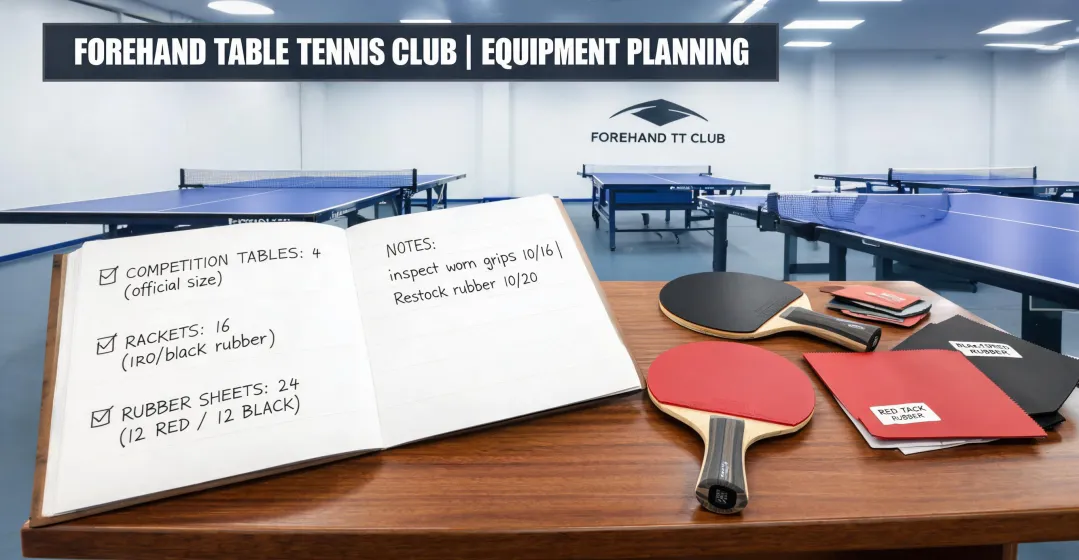
Meanwhile, in the middle of all this, the venue's ops manager asked me, deadpan, "Do you happen to know where to buy ping pong balls?" Their lounge area had a table but no balls. I did not, but I made a call to a supplier contact and had a box delivered the next morning. It was such a small thing compared to the cabinet chaos, but it mattered to them — and it is the kind of detail that never shows up on any project plan.
Friday: Launch
I stuck around for the first few hours of soft launch. The floor looked good. The rhythm games drew a small crowd within the first hour. The client's promotion with the Oaks Amusement Park tickets was already converting to foot traffic — the park had pushed out a digital coupon that morning and people were wandering over. Never expected the cross-promotion to move the needle that fast. Turns out park foot traffic and arcade traffic overlap more than most operators assume.
I did not fully relax until Saturday morning, when the ops director texted me a photo of the floor at peak hours with three words: "Looks great. Thanks." That was the signal. The two days between committing to the rush freight and that text were genuinely stressful.
What I'd Do Differently
So glad we paid for the overnight freight. Almost went standard to save the $800, which would have meant the firmware update happened on launch morning — a mess. But the more useful lesson was upstream: three things could have prevented most of this.
First, verify crates on arrival, not on installation week. A five-minute inspection when the shipment lands would have surfaced the damaged cabinet with weeks to spare instead of days.
Second, confirm electrical and floor specs before the order goes out, not after. The rhythm game spec issue was avoidable. We now require a signed floor plan from every client before a large install is confirmed — no exceptions, even for repeat accounts.
Third — and this is the one I keep coming back to — build a buffer into the timeline even when the client says they do not need one (think 15–20% cushion on top of the quoted lead time). Rush fees exist because timelines compress. If you are a venue operator planning a launch, assume one cabinet will arrive wrong or damaged. Not because suppliers are unreliable, but because shipping is shipping.
One honest limitation: I have only worked with mid-size standalone venues and one cross-branded park partnership. If you are coordinating a rollout across four or five venues with shared logistics, my 40-install sample is not going to tell you how that scales — different game entirely, and I would defer to someone running multi-site deploys at that volume.
This was accurate as of August 2024, though pricing, product availability, and shipping lead times may have shifted since then. If you are planning an install this year, verify current lead times with your supplier before you lock a launch date. The 72-hour window we pulled off is not one I would recommend aiming for — it is one I would recommend planning around. Trust me on that one.